Eye exams sit in an awkward spot in the household budget. Some visits get billed to the province, others come out of your own pocket, and the difference isn’t obvious until you’re standing at the front desk. Your age and health history determine which one you get.
OHIP covers eye exams for children and youth 19 and under, adults 65 and older, and anyone 20 or older living with an eligible medical condition that affects their eyes. Everyone else pays for routine exams, though a few options can reduce that cost.
How OHIP Eye Exam Coverage Works
The province pays for eye care tied to your health and vision, and that coverage comes in 2 forms.
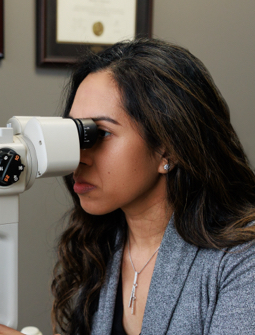
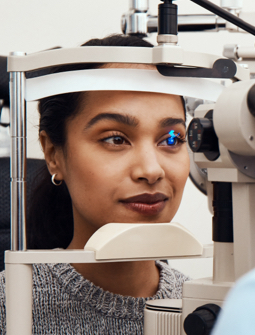
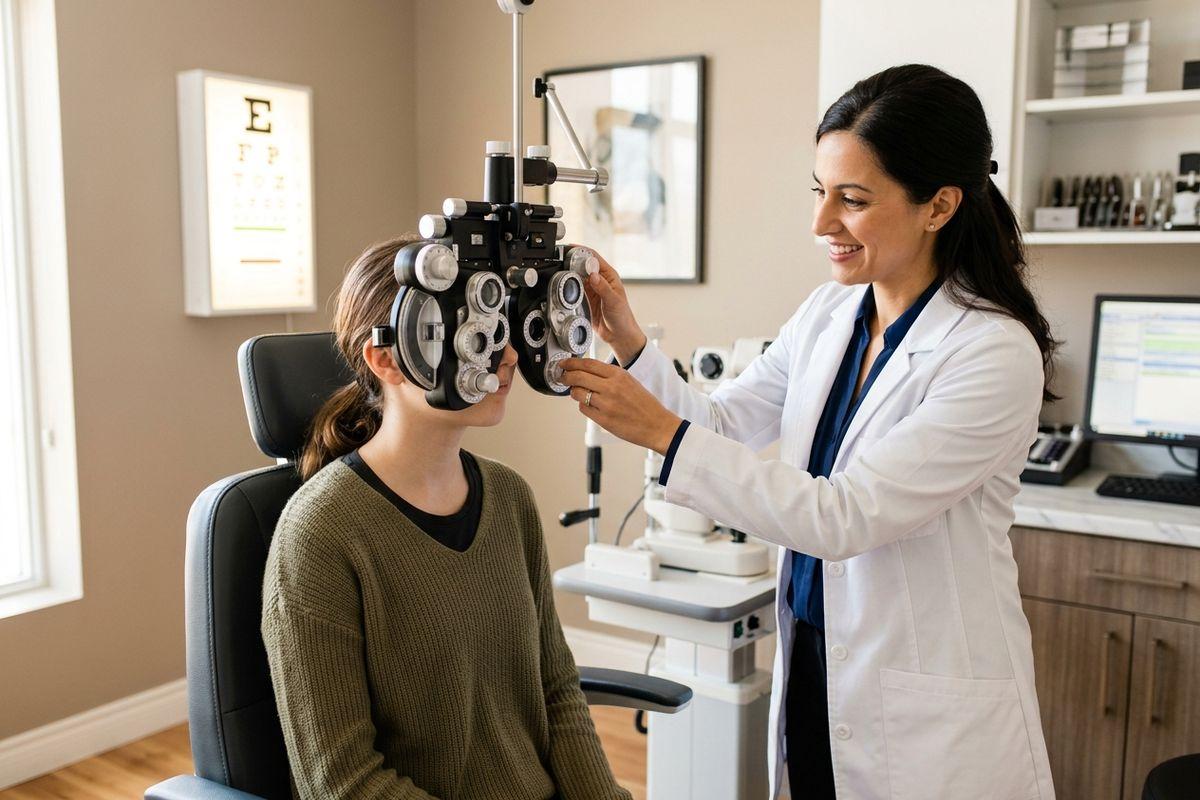
A major eye exam is the full appointment. Your optometrist measures how clearly you see, checks focusing and eye coordination, and examines the eye’s health. A minor assessment is a shorter follow-up, usually booked to recheck something found during that full exam.
Coverage runs through your Ontario health card. Bring a valid card to your visit, and eligible services get billed to the province instead of to you.
One thing to note: OHIP doesn’t pay for glasses or contact lenses, even when the exam itself is covered.
Who Qualifies for OHIP-Covered Eye Exams
Eligibility breaks down into 3 groups, each with its own schedule.
Children and Youth 19 or Younger
Growing eyes change fast, and small vision problems can affect how a child reads, learns, and plays sports.
OHIP covers 1 major eye exam every 12 months for anyone 19 or younger. If the optometrist needs to recheck something, minor assessments are covered when needed during that time.
Adults 65 and Older
Vision tends to change more often later in life. For adults 65 and older who do not have an eligible medical condition affecting their eyes, OHIP covers 1 major exam every 18 months, along with 2 follow-up minor assessments in the same window. That 18-month schedule replaced the older annual one in 2023, so the timing may not match what you remember.
Adults 20 and Older with an Eligible Condition
Some health conditions require closer eye monitoring. If one applies to you, OHIP covers 1 major exam every 12 months plus 2 follow-up assessments. Here’s a sample of the eligible medical conditions listed by Ontario:
- Diabetes
- Glaucoma requiring or having had treatment with medication, laser (excluding prophylactic laser peripheral iridotomy), or surgery
- Cataracts / posterior capsular opacification with a visual acuity of 20/40 or worse in the best corrected eye, or when a surgery referral is made
- Retinal disease that is acute, or is chronically progressive
- Corneal disease that is acute, or is chronically progressive
- Ocular drug toxicity screening for patients taking hydroxychloroquine, chloroquine, ethambutol, or tamoxifen
This is only a sample of the full list. Call the office if you’re unsure, and the team can confirm your eligibility before you book.
Eye Exam Costs for Adults Without Coverage
If you’re a healthy adult between 20 and 64, OHIP usually doesn’t cover your routine eye exam. That’s because the province focuses coverage on younger eyes, older eyes, and people with medical conditions that need monitoring.
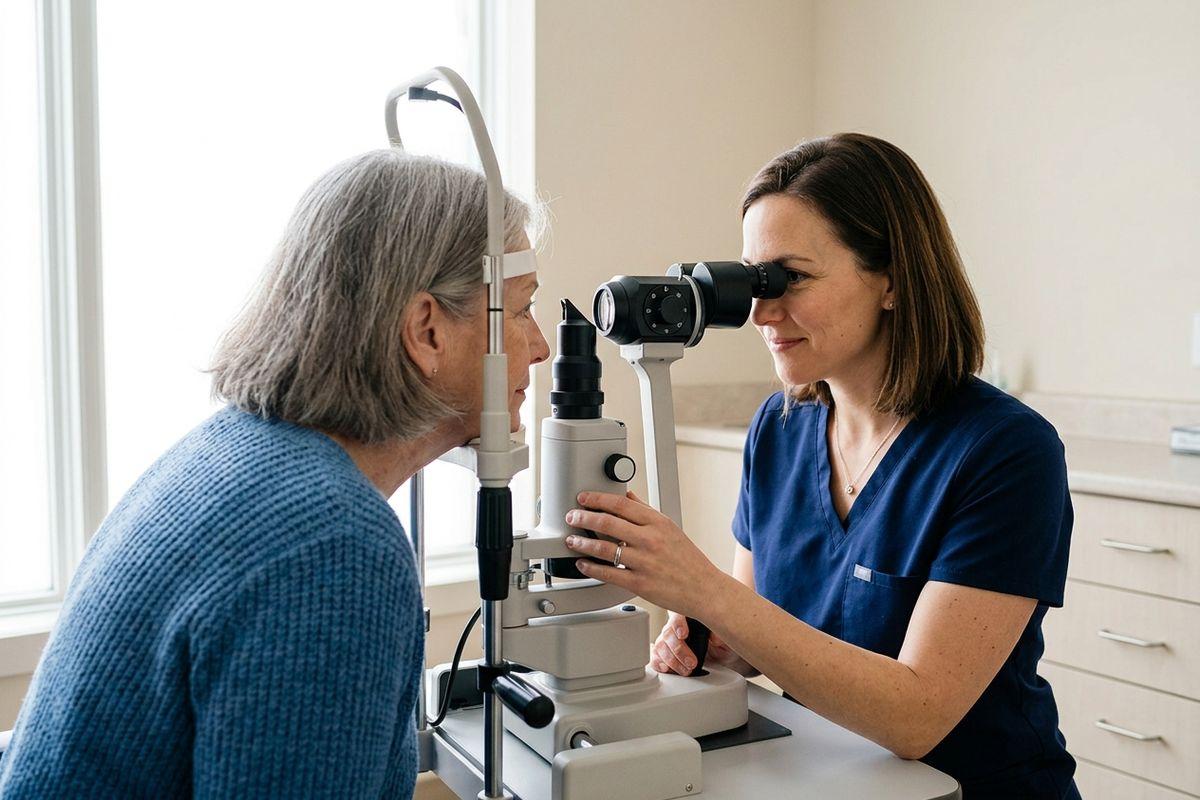
For adults in this group, a comprehensive eye exam includes a vision check, an updated prescription, and an eye health assessment.
To make payment easier, the office offers direct billing to many insurance providers. That means less paperwork for you and fewer forms to submit and chase down on your own.
Other Ways to Help Cover Eye Exams
OHIP isn’t the only way to help pay for your eye care.
Private and Workplace Insurance
Many dual-income families already have vision benefits and don’t realize it. Workplace and private health plans often set aside an amount each year for routine exams, and many stretch to glasses and contact lenses as well.
Look up your annual vision allowance in your benefits booklet. Bring those details along so the team can apply them at your appointment.
Assistance Programs
A few programs can cover eye care for people who qualify:
- ODSP and Ontario Works recipients may be eligible for additional eye care
- The Non-Insured Health Benefits program covers vision care for registered First Nations and recognized Inuit
- The Interim Federal Health Program includes vision care for refugees and protected persons
Bring your documentation with you and the office can sort out the billing.
What to Expect at Your Eye Exam
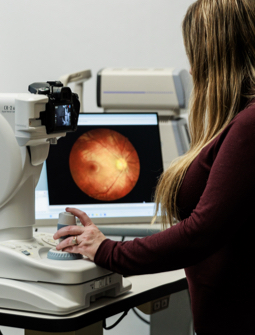
An eye exam does more than update a prescription. Your optometrist looks at the back of the eye, where early signs of diabetes, high blood pressure, and other health changes can show up before you notice a thing.
Pack your health card, insurance details, current glasses or contacts, and a list of your medications. Those few items save a surprising amount of time.
Mention anything that’s been bothering you, too. Gritty or watery eyes, headaches after a long day at the computer, or a child squinting at the whiteboard all give your optometrist somewhere to start. From there, the conversation might turn to dry eye treatment or myopia control, which can slow how quickly a child’s prescription changes.
Find Out What Your Family’s Eyes Are Covered For
Check your health card, dig out your benefits booklet, and book the appointment. If the coverage rules still feel murky, the team at Optometry on Bronte can walk you through what applies to you before you sit down in the chair.
Booking your eye exam is simple. Call the office or request your appointment online, bring your insurance details, and the team will handle the rest.