Key Takeaways
- Children should have their first eye exam between 6 and 9 months of age.
- Adults 20 to 64 with no eye conditions generally need an exam every 2 years.
- Adults 65 and older should book an eye exam at least once a year.
- You don’t need symptoms to need an exam.
- Most prescriptions stay valid for one to two years.
You Should Schedule Regular Eye Exams
You probably don’t think about your eyes until something feels off. Maybe words on a screen are getting blurrier, or maybe you find yourself squinting at road signs. However, by the time these signs show up, your eyes may have been changing for a while.
How often you should get an eye exam depends on your age, your health history, and whether you have existing conditions. In general, though, most healthy adults should schedule an eye exam every 1–2 years.
Our team at Optometry on Bronte is here to help you protect your vision.
Eye Exam Frequency by Age Group
Children & Teens
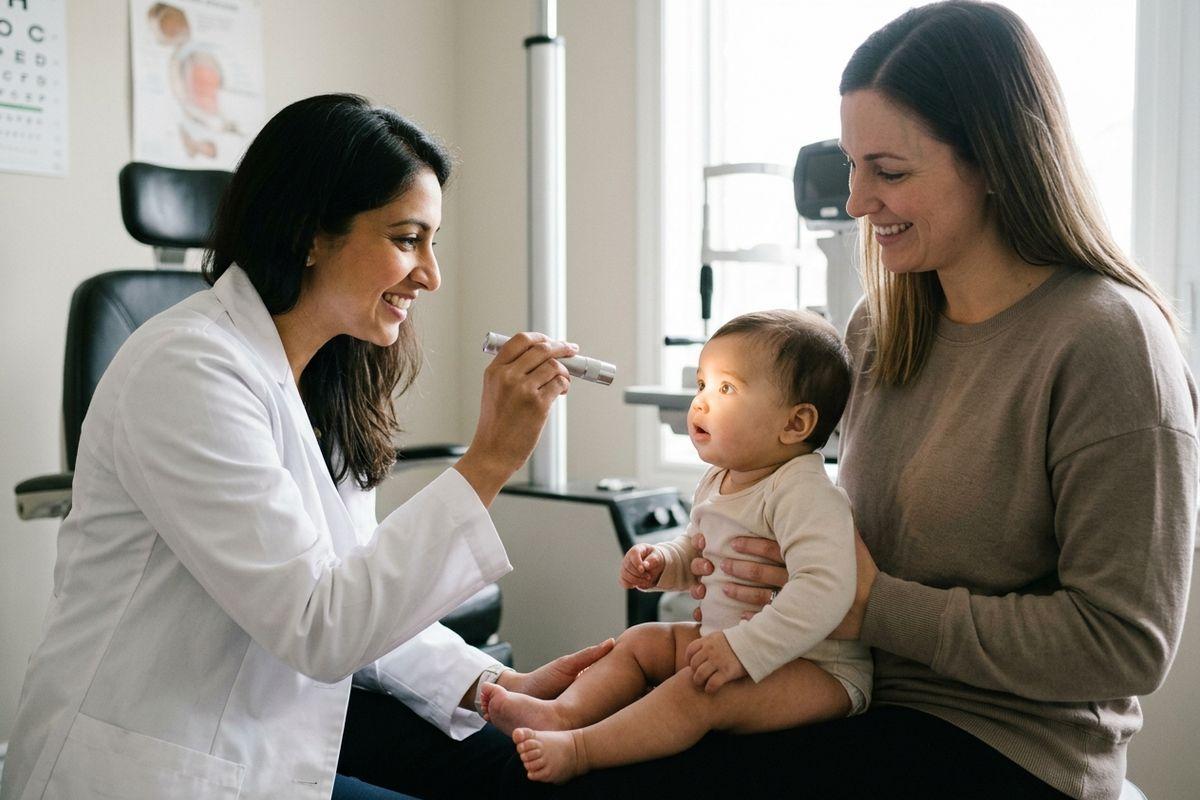
A lot of parents wait until a child complains about their sight before booking an eye exam. But kids often lack the experience to know that something’s off with their vision, so in many cases, they don’t simply mention problems. Regular eye exams for children allow your optometrist to catch issues early, before they can affect learning or development.
Here’s what a normal eye exam schedule looks like for children and teens:
- First exam between 6 and 9 months of age.
- At least one exam between ages 2 and 5.
- Yearly exams from school age through age 19.
Adults 20 to 64
If your eyes feel fine and you have no existing conditions, an eye exam every 2 years is the standard recommendation. That said, if you have diabetes or are at a higher risk for eye-related conditions, yearly exams may be a better fit. Your optometrist can help you figure out the right schedule based on your situation.
Adults 65 & Older
Once you’re 65 or older, yearly exams become more important. Several conditions that can affect vision at this stage, including glaucoma and age-related macular degeneration (AMD), often don’t cause symptoms in their early stages. Catching these issues early during a routine exam gives you more options for management or treatment.
Signs You Should Book an Exam Sooner
Waiting for your next scheduled appointment makes sense if everything feels normal. However, some changes are worth getting checked sooner. Watch for any of the following:
- Blurry vision, squinting, or trouble reading up close or at a distance.
- Your glasses feel off, cause headaches, or just don’t seem right anymore.
- Your prescription is more than two years old.
If any of these sound familiar, or if new symptoms appear, booking an exam sooner rather than later is a good call.
What Happens During a Comprehensive Eye Exam
What Your Eye Doctor Checks
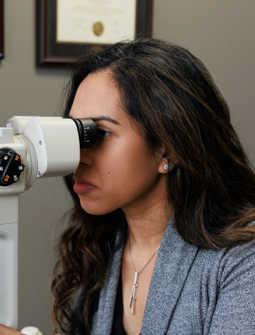
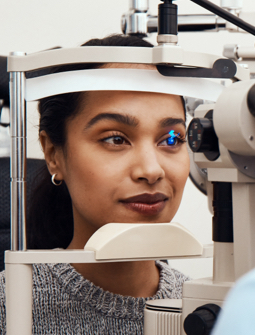
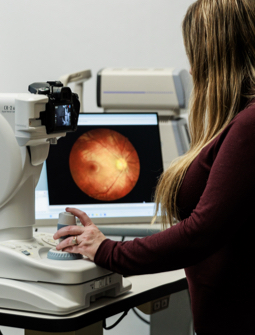
A comprehensive eye exam covers more than just whether you need glasses. Your optometrist looks at how clearly you see, how well your eyes move and work together, and the overall health of the internal and external structures of your eyes.
Health Conditions an Exam Can Detect
During a thorough exam, an optometrist may notice indicators of issues like:
- Vision-related problems like glaucoma, cataracts, and AMD.
- General health problems like diabetes, high blood pressure, and related conditions that show up in the eyes.
Keeping tabs on your health is part of why eye exams matter.
How Long a Prescription Stays Valid
Most prescriptions are valid for 1 to 2 years. If your vision has shifted since your last appointment, an outdated prescription can leave you straining more than you need to. That strain can cause headaches, fatigue, and discomfort that’s easy to miss or write off as something else.
If you don’t wear glasses, that’s not a reason to skip exams. Eye health and visual sharpness are two different things, and an exam checks both. You can have perfectly clear vision and still have early signs of an eye condition worth monitoring.
Simple Ways to Protect Your Eyes Between Visits
A few small habits can help you take care of your eyes in between appointments:
- Follow the 20-20-20 rule during screen time: every 20 minutes, look at something 20 feet away for 20 seconds.
- Wear UV-blocking sunglasses when you’re outdoors, even on overcast days.
- Book consistent exams even when your eyes feel normal, because many conditions develop quietly.
Our team at Optometry on Bronte cares for families and adults across Milton, Georgetown, Campbellville, and nearby areas of Mississauga, Brampton, and Oakville. Whether you’re due for a routine eye exam or have questions about what’s right for your situation, booking a visit is a straightforward place to start. Contact Optometry on Bronte today to schedule your next eye exam in Milton.