Key Takeaways
- Contact lenses can disrupt your tear film, causing dryness and discomfort.
- Wearing lenses too long, poor fit, and protein buildup can all make dryness worse.
- Daily disposable, silicone hydrogel, and scleral lenses can all help reduce dry eye symptoms.
- Small daily habits, like using rewetting drops and taking lens breaks, can help alleviate symptoms.
- A contact lens exam can catch fit or prescription issues before they become a bigger problem.
Contacts Can Make Dry Eye Worse
Your contacts feel fine in the morning, but by midday your eyes feel gritty and tired. Sound familiar? It’s a common complaint from our patients at Optometry on Bronte. Contacts can disrupt the natural moisture balance of your eye, making dryness more noticeable. Fortunately, the right lenses, a better care routine, and a good fit can help you find relief.
Why Contacts & Dry Eyes Often Go Together
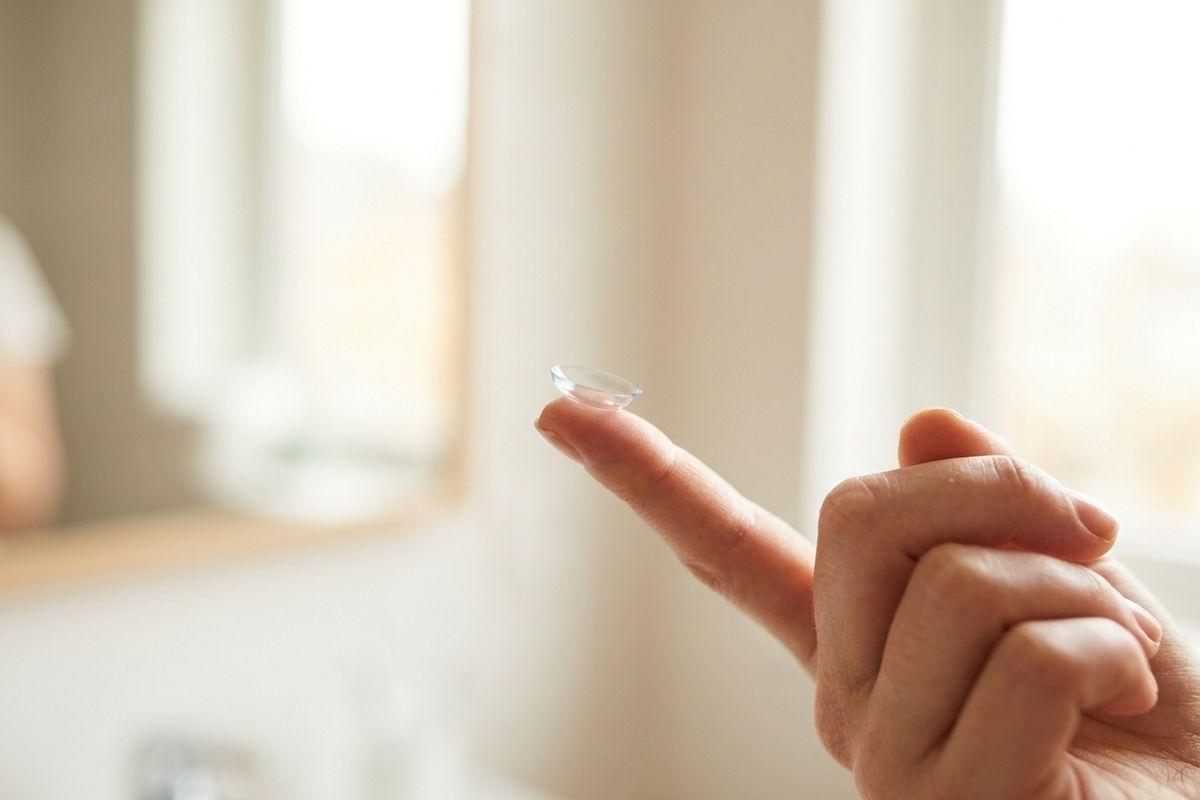
Your eyes are covered by a thin layer of tears that helps keep them moist, clear, and comfortable. When you place a contact lens on your eye, that lens can limit oxygen flow to your cornea and cause your tears to evaporate more quickly.
If your eyes are already on the drier side, adding a contact lens to the mix can make the existing problem worse.
Contact Lens Wear & Discomfort
Your contact lens habits can also affect the comfort of your eyes.
- Wearing lenses longer than the recommended daily limit puts more strain on your eyes.
- Protein and deposit buildup on lenses reduces how well they hold moisture.
- A lens that doesn’t fit properly or a prescription that’s no longer accurate can increase discomfort.
Make sure that you wear and clean your lenses as advised by your optometrist, as improper wear can make dry eye worse.
Signs Your Contacts May Be Drying Out Your Eyes
Watch for these common signs of dry eye:
- A burning, stinging, or gritty feeling while wearing lenses.
- Redness or blurry vision that tends to show up as the day goes on.
- Watery eyes or sensitivity to light when your lenses are in.
- Blurry vision that comes and goes.
If any of these symptoms persist or get worse, consider booking an eye exam.

Contact Lens Options That Work Better for Dry Eyes
Daily Disposable Lenses
Daily disposable lenses give you a fresh lens every single day. Because you’re not reusing them, there’s no chance for protein or debris to build up on the surface of the lens. Many people who struggle with contact-related dryness find that daily disposables are more comfortable.
Silicone Hydrogel and Scleral Lenses
Silicone hydrogel lenses allow more oxygen to reach your eye. This often helps to reduce dryness associated with wearing lenses.
Scleral lenses take a different approach. These lenses are larger and rest on the white part of your eye rather than directly on your cornea. They also hold a small reservoir of fluid against the surface of your eye while you wear them.
Both options can reduce end-of-day dryness for people who have struggled with standard soft lenses.
Simple Habits That Help Reduce Dryness
Lens Care and Solution Choices
The contact lens solution that you use matters more than you might realize. If your current solution seems to be causing discomfort, switching to a preservative-free option or a different formula may help. Also make sure to replace your lens case regularly, since bacteria and residue can build up and add to irritation.
Daily Habits That Make a Difference
A few simple changes to your daily routine can go a long way. We recommend the following:
- Give your eyes a break from lenses whenever you don’t need to wear them.
- Use rewetting drops that are safe for use with contact lenses.
- Book a contact lens exam so that your optometrist can check your fit and prescription.
At Optometry on Bronte, our team takes the time to look at how your lenses fit and what type of lens you’re wearing in order to find a solution that works for you. If dry eyes with contacts have been getting in your way, contact us to book your contact lens exam in Milton today.