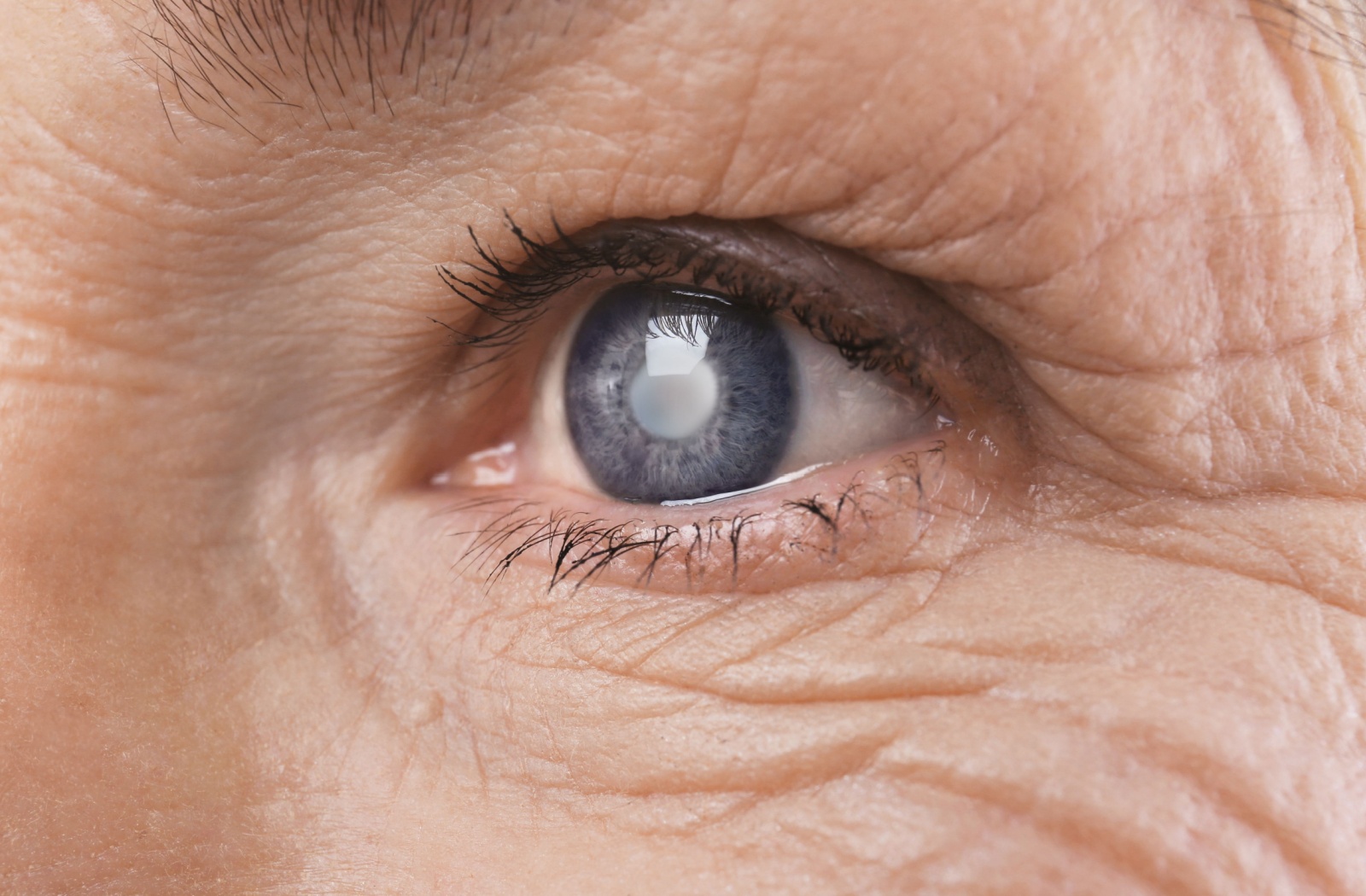
Having cataracts means you’re likely already navigating a few expected changes to your eyesight. But lately, you might also be experiencing a frustrating new symptom. Your eyes constantly feel scratchy, irritated, and dry. It’s natural to wonder if your cataracts are to blame.
Cataracts don’t cause dry eyes, but both conditions commonly develop together as part of the natural aging process that affects different parts of your eyes. Understanding this connection can help you get the right treatment for both issues. It all starts with a comprehensive eye exam.
How Cataracts and Dry Eyes Connect
Your eyes undergo several changes as you age, and these changes can affect both your lens clarity and tear production. While cataracts cloud the natural lens inside your eye, dry eyes happen when there is an issue with the quality or quantity of your tear film.
How Your Eyes Change With Age
- Natural changes in tear production
- Lens clouding (cataracts)
- Decreased oil gland function
Both cataracts and dry eyes become much more common after age 40, but they develop for completely different reasons.
Dry eye symptoms happen because your tear glands start producing fewer tears, and the tiny oil glands in your eyelids don’t work quite as smoothly as they used to. This makes it hard for your eyes to maintain a healthy, moisturizing tear film.
Cataracts, on the other hand, happen when the proteins inside your eye’s natural lens start to break down and clump together over time. This protein buildup causes the cloudiness associated with cataracts.
Because both of these separate changes are a natural part of getting older, it makes a lot of sense that you might notice them happening at roughly the same time.
Signs Your Eyes Need Professional Care
Noticing changes in your vision or daily comfort can feel a little unsettling, but recognizing the symptoms is a great first step. Each condition has its own set of warning signs that let you know it’s a good idea to check in with your eye doctor.
Cataract Symptoms You Shouldn’t Ignore
- Cloudy or blurry vision
- Increased glare sensitivity
- Colors appearing faded
- Difficulty with night vision
Dry Eye Symptoms That Disrupt Your Day
- Gritty or sandy feeling
- Burning or stinging
- Watery eyes (which is actually your body’s response to dryness)
- Morning eye discomfort
Understanding dry eye symptoms and causes can help you identify when professional treatment becomes necessary.
What Triggers Dry Eyes
Beyond aging, plenty of everyday factors can make your eyes feel dry and tired. Here are some of the triggers to watch for to help you identify exactly why your eyes are feeling so irritated:
- Dry indoor air from heating & cooling
- Extended screen time
- Contact lens wear
- Certain medications
What can you do? Taking frequent breaks, like following the 20-20-20 rule during screen time, can help reduce digital eye strain that adds to your dry eye symptoms.
Additionally, some people experience nocturnal lagophthalmos, which is a condition where their eyelids don’t fully close while they sleep. This tiny gap allows moisture to evaporate overnight, leading to that frustrating morning dryness and discomfort.

Professional Treatment for Dry Eyes and Cataracts
You don’t have to just put up with uncomfortable eyes. There are plenty of gentle, targeted ways to manage both cataracts and dry eye that fit seamlessly into your daily life. Optometrists focus on care designed around you, so you can enjoy more of your day with clear vision.
Types of Cataract Management
Managing cataracts involves a thorough assessment paired with supportive, personalized care. During your evaluation, we measure your vision and overall eye health using modern diagnostic technology.
We’ll discuss treatment options tailored to your lifestyle and daily activities. From there, we happily coordinate your surgery with trusted specialists and discuss IOL options to help support your vision.
Effective Dry Eye Solutions
The best answer to your dry eye irritation depends on your symptoms and needs. Here are a few treatments that we offer:
- Eye masks: Provide gentle warmth and hydration to soothe irritated eyes and support tear quality.
- Medicated eye drops: Help reduce inflammation and support healthier tear production.
- Meibomian gland expression: Gently clears blocked glands to encourage proper oil flow.
- Punctal plugs: Tiny inserts placed in your tear ducts to help your eyes retain their natural moisture.
- Ophthalmic amniotic membrane tissue (Opthalogix): Supports the healing process and helps manage chronic inflammation.
We can explore various Meibomian gland dysfunction treatments together to find a gentle approach that helps manage your symptoms over time.
Simple Steps You Can Take at Home
Between visits, a few simple habits can make a big difference in how your eyes feel day to day. These little routines help maintain healthy tear production and protect your eyes from environmental irritants. Here’s how you can make your morning and evening routine more eye care-friendly:
- Warm compresses to unclog oil glands
- Gentle eyelid washing with mild soap
- Proper hydration throughout the day
These are great ways to support your professional treatment at home, but you can also work to make your environment more gentle on sensitive eyes. Here are a few tips to follow:
- Use a humidifier in your bedroom
- Follow the 20-20-20 rule during screen time
- Wear wraparound sunglasses outdoors
- Consider using air filters to reduce irritants in your home
Take the Next Step for Your Vision
Your vision and daily comfort don’t have to decline just because you are getting older. We’re here to help you feel confident in your care with a personalized approach designed exactly for you. The team at Optometry on Bronte provides comprehensive eye exams and tailored treatment plans for both cataracts and dry eyes.
Contact us today to schedule your visit and take the first step toward clearer, more comfortable vision!